


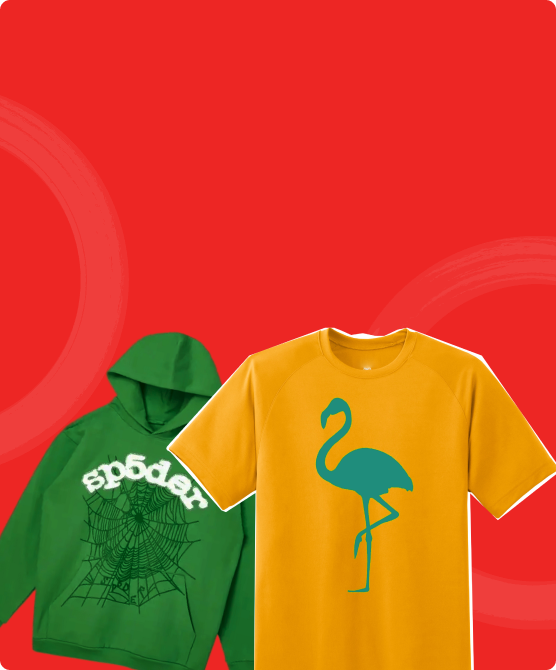
Casual wear is everywhere. From your go-to hoodie to your favorite white tee, casual pieces are often the most worn items in your wardrobe. They’re what you reach for on a Monday morning when you need comfort. They’re what you wear on lazy Sundays, grocery runs, or spontaneous meetups. But not all casual wear is created equal.
Some pieces lose their shape after two washes. Others start pilling, fading, or tearing in less than a season. And suddenly, your once-perfect basics are just clutter. The difference between throwaway fashion and pieces that truly last comes down to one thing: quality.
If you’ve ever wondered what really makes casual wear worth the investment, here’s a peek behind the seams. These are the details, materials, and construction techniques that make your favorite everyday items stay soft, flattering, and functional for the long haul.
Fabric: The Foundation of Every Great Garment
Let’s start with the heart of the piece—its fabric. The material used to create your clothes determines not only how they feel but also how they wear over time.
Natural fibers like cotton, linen, and bamboo are breathable, durable, and age beautifully when cared for properly. Look for long-staple cottons, such as Pima or Egyptian cotton. These have longer fibers that resist pilling and fraying.
Blends can be great too. Cotton-polyester blends often provide a balance of comfort and structure, helping the piece hold its shape longer. A little stretch, such as 3 to 5% elastane, can also improve recovery, especially in tees, joggers, and fitted pieces.
Avoid overly synthetic fabrics when you can. While affordable, they often trap heat, cling to the body, and wear down faster after repeated washes.
What to look for on the label:
- 100% cotton or a cotton-modal blend
- Long-staple fibers or combed cotton
● Moisture-wicking properties in performance pieces
● Pre-shrunk or enzyme-washed indicators
Stitching: The Hidden Strength
Seams are like the skeleton of your garment. When stitching is done well, your clothes move with you without falling apart. When it’s poor, seams pop, hems curl, and collars sag.
Double-stitching or reinforced seams are key signs of quality construction. Flatlock seams, often used in activewear, reduce bulk and friction, making garments more durable and comfortable. Check the inside of your shirts and hoodies if the stitching looks neat and tight, it’s a good sign.
Another thing to notice is thread tension. If the stitches are too loose, the fabric may pull apart. If too tight, the fabric may pucker. A clean, consistent seam with no stray threads shows care and attention in manufacturing.
Before you buy:
- Gently tug on seams to test their strength
● Flip the garment inside out and inspect the stitching
● Look for clean hems that won’t unravel
Fit That Stays Fit
A great casual piece should fit comfortably when you buy it and still fit after a few washes. The secret lies in fabric treatment and smart design.
Garments that are pre-washed or enzyme-treated before sale are less likely to shrink. These processes also soften the fabric and set the dye, reducing color bleeding.
Quality pieces are cut with intention. That means shoulder seams that hit where they should, sleeves that hold their shape, and waistbands that don’t stretch out after one wear.
Elastic waistbands and cuffs should have a strong but flexible grip. In pants and joggers, the waistband should return to its shape after being worn. If the elastic feels weak out of the bag, it won’t last long.
Signs of a thoughtful fit:
- Pre-shrunk or garment-washed labeling
● Strategic stitching around the neckline and armholes
● Tailored but relaxed silhouettes that don’t sag
Dye and Finish: Color that Doesn’t Quit
Ever bought a black tee that turned charcoal after one wash? That’s the result of cheap dyes and poor finishing.
Quality casual wear is made with colorfast dyes that are absorbed deep into the fibers. Look for pieces that are pigment-dyed or garment-dyed. These processes create rich, lived-in color that fades beautifully over time, if it fades at all.
Finishing also includes how the fabric is treated to feel softer or look slightly worn-in. Brushed cotton, for example, has a velvet-like texture created by lightly combing the fabric. It feels amazing and holds up well.
Pay attention to:
- Garment-dyed or pigment-dyed tags
● Enzyme-washed finishes for a soft feel
● Lack of excess dye rubbing off on your skin
Small Details Make a Big Difference
You can tell when a brand cuts corners. A loose thread here. A wonky neckline there. High-quality casual wear, on the other hand, gets the details right.
Look for neck bands that are ribbed and reinforced. They help shirts maintain their shape over time. Side seams (instead of tubular cuts) give the shirt better structure and
prevent twisting. Quality buttons, zippers, and drawstrings also tell you a lot about the longevity of a garment.
Even the label matters. Woven or printed labels are more comfortable and last longer than scratchy plastic ones.
Take note of:
- Ribbed collars and cuffs that bounce back
● Fabric weight that feels substantial but breathable
● Drawstrings with metal tips or reinforced ends
● Pockets with clean linings and no puckering
Price Doesn’t Always Equal Quality
While high-quality casual wear often comes at a higher price point, not all expensive items are well-made. And not all affordable ones are poorly constructed.
The real test is in the feel, the fit, and the finish. Try the piece on. Look at the stitching. Touch the fabric. If it feels too thin or already looks worn, it won’t survive much use.
Invest in brands that value transparency, use good materials, and focus on responsible production. You’ll spend less in the long run replacing fast-fashion fails.
Caring for Casual Wear the Right Way
Even the best quality pieces won’t last long if they’re not cared for properly. Always check the care label before tossing your favorite tee in the dryer on high heat.
Most casual staples last longer when washed in cold water and air dried. Turning garments inside out helps preserve prints and prevent fading. Use gentle detergents and avoid fabric softeners, which can break down certain fibers over time.
Basic care habits:
- Wash in cold water, preferably on a gentle cycle
● Skip the dryer when possible; hang or lay flat to dry - Store folded garments in cool, dry spaces
● Spot clean rather than over-washing
Why it All Matters
Clothing is more than something you wear. It’s something you live in. Your casual pieces carry you through long days, lazy mornings, unexpected plans, and everything in between. When they’re built well, they feel better, look better, and make getting dressed a lot easier.
Choosing quality doesn’t mean choosing luxury. It means choosing longevity. It means loving your clothes enough to expect more from them. And it means finding brands that care as much about the inside of the garment as the outside.
Where Bits N Pieces Comes
At Bits N Pieces, we believe casual doesn’t have to mean disposable. That’s why we obsess over fit, fabric, and feel when designing every single piece.
From tees that hold their shape to joggers that last beyond the season, every item in our collection is made with care, inside and out. We use breathable, durable fabrics. We test stitching and structure. And we make sure the color, softness, and style stay strong wear after wear.
Our goal is simple. To give you everyday clothing you can actually count on.
Because your comfort matters. Your time matters. And your closet should be filled with pieces that make you feel good, without needing to constantly replace them.